Habits
First Two Weeks Without Results: Why the Scale Lies
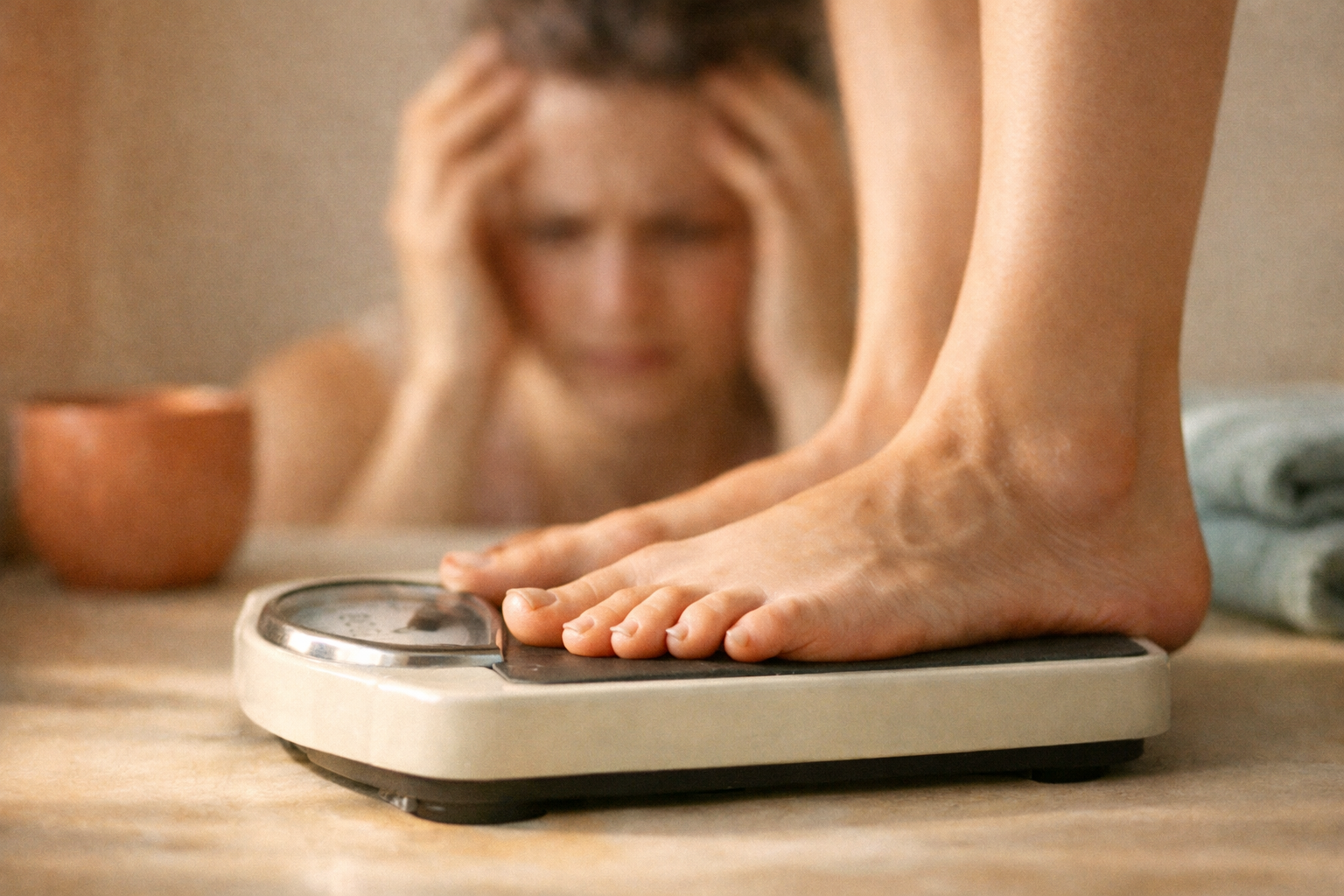
You’ve been eating right. You’ve been drinking your water. You’ve even said no to your favorite snacks. But when you step on the scale after ten days of strict effort, the number hasn’t budged—or worse, it’s gone up.
If you’re feeling like your weight loss plan isn’t working, you’re not alone. This exact frustration shows up in weight loss communities constantly: people doing “everything by the book” and seeing zero movement on the scale in those crucial first weeks. Some even gain a pound or two, which feels like a cruel joke after all that discipline.
Here’s the truth most diet advice skips over: the first two weeks are a terrible time to judge your progress.
What’s Really Happening in Week One
When you first cut calories and start healthier habits, your body doesn’t immediately start burning fat at full speed. Instead, it goes through a transition period that messes with the number on your scale in ways that have nothing to do with actual fat loss.
First, there’s water weight. When you reduce carbohydrates—even just by eating less overall—your body depletes its glycogen stores. Glycogen is the form of energy stored in your muscles and liver, and it holds onto water. As you use up that glycogen, you release water. This usually causes a quick drop in the first few days.
But here’s where it gets confusing: that water loss can be completely masked if you’re also starting a new exercise routine. New physical activity causes inflammation in your muscles as they repair and adapt. That inflammation means water retention, which can add several pounds to the scale even while you’re burning fat.
Your body is also adjusting hormonally. Cortisol, your stress hormone, often spikes when you change your eating patterns, especially if you’re cutting calories aggressively. Higher cortisol leads to—you guessed it—more water retention.
For women, timing matters even more. If you start your weight loss journey in the week or two before your period, the natural hormonal fluctuations of your menstrual cycle can add 2-5 pounds of water weight that has absolutely nothing to do with your efforts.
Why You’re Not Seeing Results Yet (But They’re Coming)
The fundamental mistake most people make is expecting linear progress from day one. Real fat loss happens at a rate of about 0.5-1 kilogram per week when you’re doing things right. That’s 1-2 pounds. But in the first two weeks, that small amount of actual fat loss is completely invisible beneath all the water weight fluctuations we just talked about.
Think of it this way: if you’ve genuinely lost one pound of fat in your first week, but you’re holding onto three pounds of water from new exercise, your scale shows a two-pound gain. Your brain interprets this as failure, but your body is actually succeeding.
Another factor: your digestive system. When you change what you eat, your gut needs time to adjust. You might have more or less food physically sitting in your digestive tract than usual. That weight shows up on the scale even though it’s not body fat.
This adaptation period is an investment, not a failure. Your body is learning new patterns, your metabolism is adjusting to the calorie intake, and actual changes in your fat stores are happening—they’re just hidden beneath short-term noise.
What Actually Shows Progress in the Early Days
If the scale isn’t reliable in week one and two, what should you pay attention to instead?
Energy levels: Many people notice they feel lighter and more energetic within the first week, even before the scale moves. This is real progress.
Sleep quality: Better food choices and reduced late-night eating often improve sleep within days. If you’re waking up more rested, your body is responding.
Digestion: Less bloating, more regular bathroom habits, reduced heartburn—these changes happen fast and matter more than you think.
Mood and focus: Stable blood sugar from better eating patterns can sharpen your mental clarity and even out your emotional state within a week.
How clothes fit: Sometimes your measurements change before your weight does, especially around your waist. Inflammation goes down, even if water weight hasn’t.
This is where tracking multiple habits instead of obsessing over one number makes all the difference. Apps like 2Slim help you see the full picture by monitoring your water intake, activity, and sleep quality alongside your weight—so when the scale doesn’t move for ten days, you can still see concrete evidence that your healthier habits are taking root. Those consistent check-ins with your water bottles counted, your steps logged, and your sleep tracked become proof of progress when the scale stays silent.
The Timeline: When Will You Actually See Results?
For most people following a healthy calorie deficit, visible weight loss shows up around day 14-21. That’s when the water weight fluctuations settle down and the underlying fat loss becomes clear on the scale.
If you’re strength training or adding significant exercise, it might take a full three to four weeks before you see consistent downward movement. Your muscles are adapting, holding water for repair, and potentially growing—which is amazing for your metabolism but confusing for your scale.
The pattern usually looks like this:
- Days 1-7: Possible quick drop (water), then plateau or slight gain (adjustment)
- Days 8-14: Scale seems stuck, but body composition is changing
- Days 15-21: First real, sustainable downward trend appears
- Week 4+: Progress becomes more predictable and visible
This isn’t failure—it’s how human physiology works. The people who succeed long-term are the ones who understand this timeline and don’t panic in week two.
How to Survive the First Two Weeks Without Losing Your Mind
Knowing why the scale lies doesn’t make it less frustrating when you step on it. Here’s how to protect your motivation during this vulnerable period:
Weigh yourself less frequently. Once a week at most, same day and time, ideally first thing in the morning. Daily weigh-ins during the first two weeks will drive you insane with meaningless fluctuations.
Take progress photos instead. A photo on day one and day fourteen will often show changes your scale doesn’t—less bloating in your face, better posture, subtle shifts in how your clothes drape.
Focus on behavior wins, not outcome wins. Did you drink your water target every day this week? Did you move your body, even for fifteen minutes? Those are victories that count, regardless of what your scale says.
Talk to others who’ve been through it. Weight loss communities are full of people saying “I almost quit in week two, but I’m so glad I didn’t.” You’re not alone in this frustrating phase.
Remember: two weeks of effort can’t be erased. Even if your scale hasn’t moved, you’ve established habits, given your body better fuel, and started a process that will show results. The work isn’t wasted just because it’s not visible yet.
The Bottom Line
The first two weeks without visible results aren’t a sign you’re doing something wrong—they’re a sign you’re human. Your body is adapting, adjusting, and changing beneath the surface in ways that don’t show up on a scale designed to measure one single metric.
Real, sustainable weight loss is playing out exactly as it should. The people who reach their goals aren’t the ones who see immediate results—they’re the ones who trusted the process when results were invisible.
If you’re in day ten of your journey and feeling discouraged, this is your reminder: the scale is lying to you right now. Your effort isn’t wasted. The results are coming. Stay consistent for just two more weeks, and you’ll see what your body has been building all along.