Habits
Weight Plateau After 2 Months: Why Progress Stopped
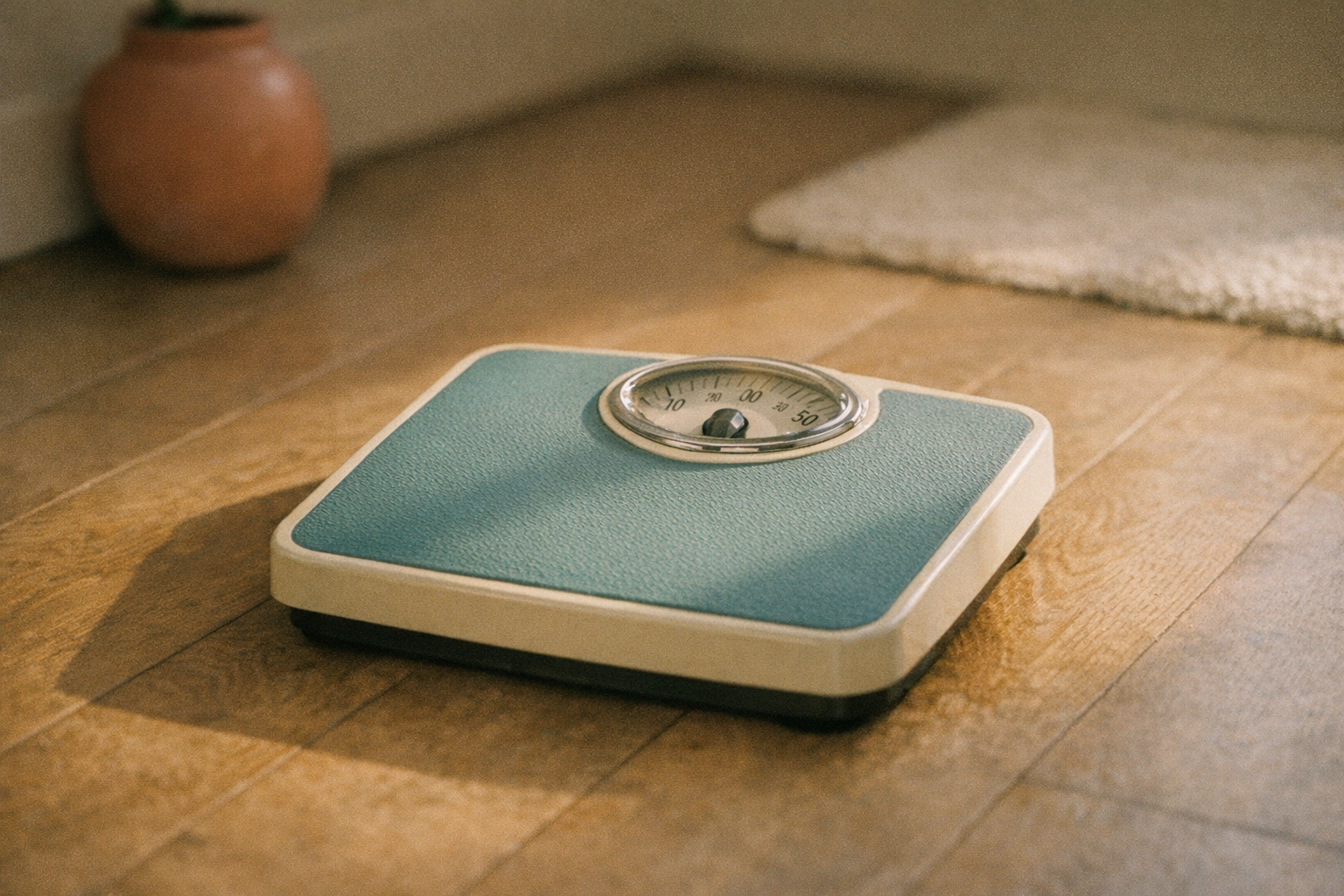
When the Scale Freezes After Your Best Efforts
You’ve been doing everything right for two solid months. Tracking your meals, drinking your water, moving your body. The first few weeks brought visible changes—the scale moved down steadily, your clothes fit better, you felt lighter. Then, suddenly, nothing. The number on the scale hasn’t budged in three weeks. You’re eating the same portions, maintaining the same habits, but your body seems to have hit an invisible wall.
This weight plateau isn’t a sign you’re doing something wrong. It’s actually one of the most predictable phases of healthy weight loss, and understanding why it happens can help you move through it without panic or frustration.
What’s Really Happening When You Hit a Plateau
Your body is remarkably good at adapting to change. When you first started losing weight, your body responded quickly because the new routine was a significant shift from your previous patterns. But after 8-12 weeks, something called metabolic adaptation kicks in.
Here’s what’s going on beneath the surface: As you lose weight, your body requires fewer calories to function. A person who weighs 180 pounds needs more energy to move through the day than someone who weighs 165 pounds—even if they’re doing the exact same activities. Your metabolism has adjusted to your new, lighter body, which means the calorie deficit you created two months ago might now be closer to maintenance.
But there’s another factor most people overlook: water weight fluctuations. Your body constantly shifts water around based on sodium intake, carbohydrate consumption, exercise intensity, hormonal changes (especially for women during their menstrual cycle), and even sleep quality. It’s entirely possible that you’ve continued losing body fat, but a temporary increase in water retention is masking that progress on the scale.
Think of it this way: if you’ve lost one pound of fat this week but your body is holding onto three pounds of water due to a hard workout or a salty meal, the scale will show a two-pound gain. The fat loss is real—it’s just hidden.
Why the Last 10 Pounds Are the Hardest
If you’re close to your goal weight, plateaus become even more common. When you have less weight to lose, your body naturally resists further changes. This is protective—your body doesn’t know you’re trying to fit into a specific pair of jeans. It just knows that resources are getting scarce, and it’s adjusting to preserve itself.
At this stage, you might only be able to sustain a loss of 0.5 pounds per week, which is healthy and sustainable but can feel frustratingly slow when you’re eager to reach your goal. This gradual pace is actually a good sign: it means you’re losing fat rather than muscle, and you’re more likely to keep the weight off long-term.
Five Ways to Break Through a Weight Plateau
1. Track Your Trend, Not Your Daily Weight
Daily weigh-ins can be discouraging during a plateau because water weight creates so much noise in the data. Instead of fixating on today’s number, look at your weight trend over the past two to four weeks. Apps that smooth out fluctuations and show you the overall direction are invaluable here—when you zoom out, you might see that you’re still trending downward, just more slowly than before.
2. Measure Progress Beyond the Scale
Your body composition can change dramatically even when the scale stays put. Take measurements of your waist, hips, arms, and thighs. Progress photos taken in the same lighting and clothing can reveal changes that numbers can’t capture. Pay attention to how your clothes fit, how your energy levels feel throughout the day, and whether daily activities have become easier. These non-scale victories are often the first signs that you’re breaking through a plateau, even before the scale catches up.
3. Reassess Your Calorie Balance
If you haven’t adjusted your approach since you started, it might be time for a recalculation. The calorie intake that created a deficit when you weighed 180 pounds might now be your maintenance level at 165 pounds. This doesn’t mean you need to drastically cut calories—small adjustments of 100-200 calories can be enough to restart progress. Alternatively, consider increasing your activity level slightly rather than reducing food intake further.
4. Check Your Stress and Sleep
High cortisol levels from chronic stress can cause your body to retain water and resist fat loss, even when your diet and exercise are on point. If you’ve been pushing hard for two months without adequate rest, your body might be holding onto weight as a protective response. Prioritizing 7-9 hours of quality sleep and finding ways to manage daily stress—whether through brief walks, breathing exercises, or simply building in more downtime—can sometimes be the missing piece that allows the plateau to break.
This is where something like 2Slim’s habit-tracking approach becomes particularly helpful. Instead of obsessing over the scale, you focus on consistency in the five core habits: balanced eating, hydration, movement, sleep, and stress management. When you check off those habits daily, you’re reinforcing the behaviors that lead to fat loss, even during weeks when the scale doesn’t reflect it. The app’s gentle accountability keeps you engaged with the process rather than fixated on a single outcome measure.
5. Consider a Maintenance Break
If you’ve been in a consistent calorie deficit for more than three months, your body might benefit from a brief diet break. Eating at maintenance calories for 1-2 weeks can help reset some of the hormonal adaptations that slow down weight loss. This isn’t “giving up”—it’s strategic. Research shows that planned breaks can actually improve long-term results by preventing metabolic slowdown and reducing the psychological fatigue that leads to all-or-nothing thinking.
The Mental Game of Plateaus
The hardest part of a plateau isn’t physical—it’s mental. You start questioning whether your efforts matter, whether you should try something more extreme, whether you’re destined to stay at this weight forever. This is the moment when many people abandon healthy habits that were working and lurch toward crash diets or unsustainable restrictions.
Resist that impulse. The plateau is testing your patience, not invalidating your progress. Every day you maintain your healthy habits during a plateau, you’re reinforcing patterns that will serve you for life. You’re proving to yourself that you can stick with something even when the immediate rewards aren’t visible.
Remember: weight loss is never linear. If you graphed the weight loss journey of a thousand successful people, not one of them would show a smooth diagonal line downward. They’d all show a jagged zigzag of ups and downs and flat stretches, gradually trending in the right direction over time.
When to Be Patient and When to Adjust
Give any plateau at least three weeks before making significant changes. If your weight hasn’t moved at all after four weeks and you’ve ruled out water retention factors (recent increase in exercise intensity, salty foods, menstrual cycle for women, poor sleep), that’s a good signal to make a small adjustment—either in your calorie intake or your activity level.
But if you’re only two weeks into a plateau, especially if you recently increased your workout intensity or you’re in the luteal phase of your menstrual cycle, your body might just be holding extra water temporarily. Stay consistent and watch the trend.
Moving Forward
Hitting a weight plateau after 2 months of progress doesn’t mean you’ve failed. It means your body has successfully adapted to your new habits, and now it needs a gentle nudge to continue changing. By focusing on the behaviors you can control—rather than the number on the scale—you’ll navigate this phase with less stress and more confidence.
The scale will move again. Your job isn’t to force it through willpower or restriction. Your job is to keep showing up, keep honoring your habits, and trust that your body will respond when it’s ready.